A Guide to Prestige Fleece Hoodie Style It Three Ways

One Buyer’s Take Weighing Whether Prestige Is Worth the Investment

Brands promising quality and style arrive with each new cycle, yet only a select few actually keep a shopper’s attention past that initial buy. Prestige is one such name that keeps surfacing in discussions around leveling up your wardrobe, and rightly so. What follows is a breakdown of what Prestige really brings to the table, how it compares to the surrounding hype, and whether the spend is worthwhile for a 2026 shopper. We’ll dig into how the collection is organized, the frequently-referenced hoodie range, and the realistic pros and cons that are part of any clothing purchase. Just a straightforward, no-hype take on what you get for what you spend.

This isn’t about persuading you that Prestige is flawless; it’s meant to cover the practical questions a shopper genuinely asks before finalizing a purchase — whether the sizing proves reliable, whether the price matches the experience, and whether the label lives up to its own name. And once you’ve finished this, you should have a clearer picture of whether Prestige clothing belongs in your rotation.

What Does Prestige Really Mean?

The Prestige label styles itself as a contemporary clothing brand centered on everyday essentials with a slightly elevated edge. It’s not a high-end house with a long-standing legacy, and it makes no claim otherwise. In its place, the brand zeroes in on approachable items that feel more considered than standard fast fashion, without asking shoppers to pay luxury markup. This difference is significant because many shoppers searching “what is Prestige” are attempting to determine where it falls along the spectrum prestiger.net/hoodies between low-cost staples and upscale names.

The Prestige store operates primarily online, which keeps overhead lower and allows the brand to update its collection more frequently than a traditional retailer might. Shoppers browsing the prestige store will notice a rotating structure: core pieces stay in stock consistently, while seasonal drops introduce new colorways and silhouettes. This model has become common among direct-to-consumer apparel brands, and Prestige leans into it rather than trying to imitate a legacy fashion house.

What makes different Prestige from a ordinary clothing label is the diligence paid to fabric weight and construction elements in its more in-demand items. Rather than pursue broad appeal, it avoids trying to serve every taste. The brand has distinctly settled on a identity — streetwear-leaning, comfort-focused, understated — and remains within that direction drop after drop.

The Prestige Line: What You Really Get

Prestige as a collection spans the categories one would expect from a contemporary clothing label: outerwear, knitwear, loungewear, and a small but consistent accessories range. Instead of following each passing trend, the collection tends to reimagine a select group of proven silhouettes each season. That approach cuts down the risk of buying something that feels dated within a year, which is a common complaint shoppers have with trend-driven labels.

Because Prestige clothes tend to run true to size more often than not, frustrating returns are reduced — a theme that keeps surfacing in customer feedback.
Reliable fit across sizes seems like no big deal until the moment you’ve bought from three different clothing brands in the same month’s time and ended up with three different results.
A subtle but real reason returning shoppers remain loyal is Prestige’s commitment to preserve its sizing template uniform across its collection.

Every time a new collection lands, the prestige clothing lineup likewise gains from a narrow range of colors. Instead of releasing a dozen colorways of the same hoodie, Prestige typically narrows each launch to four or five essential shades. That approach keeps inventory under control and, from the buyer’s point of view, eases the burden of choosing. You won’t be scrolling through dozens of near-identical options in search of the “right” one.

Why The Prestige Hoodie Stands Apart

If there’s one item that comes up more than any other in Prestige review discussions, it’s the hoodie. The hoodie has turned into a kind of flagship piece, and it’s worth understanding why it draws so much focus compared to everything else the brand offers. Fleece weight is the first thing people mention — it reads as substantial rather than thin, which is a common shortfall in mass-market hoodies priced similarly.

Build features including seams sewn twice for durability and a sturdily built kangaroo pocket turn up repeatedly across customer photos and reviews, hinting these represent more than one-off quality control wins but a benchmark that’s maintained across the line. Typically, the drawstrings come flat instead of round, a small detail that keeps them from becoming tangled inside the hood casing over time — a minor annoyance in cheaper hoodies that Prestige looks to have fixed intentionally.

When it comes to fit, the piece tends to run in a easygoing but still fitted shape, which explains why it performs well across a wide range of body types without needing five different fit categories.
For those trying to figure out where to begin with the best of Prestige clothing, this hoodie is almost always the go-to recommendation for newcomers, mainly since it demonstrates the brand’s overall approach in a single everyday item.

In What Way Prestige Measures Up Against Similar Brands

When you’re figuring out where to spend, numbers matter more than descriptive claims. What follows is a breakdown comparing Prestige alongside two commonly referenced categories of rival brands: cheap fast-fashion names and mid-tier streetwear brands. This isn’t about listing precise rival pricing, since those shift constantly, but about fundamental distinctions shoppers should consider.

Category Prestige Budget Fast Fashion Mid-Tier Streetwear
Fabric weight (hoodie) Mid-to-heavy weight fleece Flimsy, sometimes transparent when pulled Thick, can feel stiff until worn in
Sizing consistency Steady across collections Inconsistent from batch to batch Fairly reliable overall
How often collections refresh Seasonal with core staples year-round Weekly, high turnover Scarce drops that rarely get replenished
Construction details Seams stitched twice, drawstrings that lie flat Basic single-stitch construction is the norm Reinforced with double stitching
Legacy style availability Staple items replenished often Almost never replenished Infrequently restocked, pushing buyers to resale at inflated prices

Where Prestige lands becomes clear from this comparison, while it won’t fully settle the debate: it’s nearer to mid-tier streetwear in build quality, yet it carries the replenishment consistency that fast fashion delivers, something streetwear brands frequently fall short on. That combination is a notable part of why Prestige shows up so often in “worth it” debates rather than being written off entirely.

What Buyers Are Reporting in Feedback

A few patterns show up frequently enough to be significant, rather than dismissed as isolated opinions, once you go over a large volume of Prestige review content. Delivery windows get varied responses — some shoppers report receiving orders inside seven days, while others note longer waits during high-demand drops. Such a gap is a normal tradeoff for a brand that avoids stockpiling huge reserves of every item.

Support-team turnaround is another area where opinions split, with quicker fixes reported for size swaps than for damaged-item claims. It’s not uncommon for scaling direct-to-consumer companies to have some friction here, and Prestige shares this trait with peers, but it’s useful to plan for this going in.

Looking at the upside, repeat purchase behavior is a strong signal. Buyers who start with one Prestige hoodie tend to come back for a second piece, often in a alternate signature shade, rather than abandoning the brand altogether. This type of repeat behavior is not easily engineered through promotion on its own — it typically signals real contentment with comfort and longevity through repeated laundering, which several long-term reviews explicitly mention.

Is the Prestige 2027 Lineup Worth Following?

With an eye on the future, the Prestige 2027 lineup is already generating preliminary excitement based on early sneak peeks and the brand’s habit of step-by-step upgrades rather than dramatic reinvention. Assuming the pattern from past seasons persists, look for polished updates to current top sellers rather than a ground-up redesign — a plan that rewards shoppers who have already settled on fits they love.

For folks who haven’t yet made up their minds, the value proposition is most obvious for people who prioritize consistent sizing, long-lasting essentials, and a limited, thoughtful range of well-made choices over a bloated selection. In the conventional sense, Prestige clothing isn’t aiming to be a luxury investment buy — rather, it’s framed as a savvy mid-range purchase that proves sturdier than you’d expect for the money.

When it comes down to it, Prestige’s value is shaped by what you’re shopping for. This brand isn’t built for ultra-cheap, disposable pieces, should that be what you’re after. But if you’re after reliable staples — with a hoodie that keeps earning praise — without needing a premium price, the brand’s growing reputation is well deserved. Up to now, its top offerings point to a brand still building — yet building on a foundation already dependable.

How to Wear Prestige Crewneck Spotting Authentic Pieces

The Prestige Hoodie Guide: Styling Tips for Year-Round Dressing

In the past, the hoodie barely registered, pulled on for a session at the gym or a do-nothing Sunday. That has changed. Within the Prestige collection, the garment now sits at the center of seasonal wardrobes, shifting from everyday streetwear and elevated layering pieces without shedding its character. This guide breaks down how to incorporate Prestige hoodies through all four seasons, what makes the choice of fabric matter, and why so many customers searching “prestige review” or “what is prestige” ultimately choose this one piece first.

Understanding a brand’s core piece tells you nearly everything about its design outlook. Prestige clothing favors streamlined cuts, durable stitching, and versatility rather than following every fad. That philosophy shows up directly in the hoodie. It isn’t meant for a single wear and then storage; it’s built to travel with you from October through April and beyond, shifting along with the seasonal swings.

The Hoodie’s Role as the Prestige Collection’s Centerpiece

Every prestige clothing lineup needs an anchor piece, an item buyers revisit season after season, and the hoodie has claimed that position. It connects casual and elevated dressing better than a t-shirt and keeps its shape better than a basic sweatshirt. Such a pairing is https://prestiger.net/hoodies/ uncommon, and it explains why the hoodie regularly appears among the best of prestige clothing in buyer feedback forums and return-buyer numbers.

Part of the appeal comes from restraint. The chest isn’t overwhelmed by a big logo, no attention-grabbing design competing with your outfit. Instead, the design depends on fit, a slightly dropped shoulder, a ribbed hem that rests right at the hip, and a hood design that lies flat rather than bulking up at the neck. These minor design decisions account for why the piece performs well whether it is worn alone or layered under a coat.

Reviewers digging into prestige review threads repeatedly bring up two things: the weight of the fabric and the fit through the arms. Each of these matters because an overly thin hoodie falls out of form after a few washes, and one with tight sleeves cuts down on layering flexibility. Prestige addresses both concerns directly, which is why the hoodie functions as a four-season garment rather than something with just one use.

Dressing for Spring: Lightweight Layering

Springtime weather is erratic, 12 degrees in the morning and 20 by afternoon, so the piece must perform as both a top layer and a mid-layer. Combine a lighter-weight Prestige hoodie with a bomber jacket for cooler mornings, then shed the jacket once the day heats up. Rolled denim or light chinos keep the look from feeling heavy, and a minimal sneaker finishes the outfit without bulking up the silhouette.

For those who prefer a dressier spring look, try layering the hoodie underneath an relaxed blazer. This styling move has grown popular within the prestige clothes community because it takes a everyday piece and recasts it as dressed-up-casual without a lot of effort. The key is proportion: a slightly shortened or regular-fit hoodie falls better under tailoring than an loose-fitting fit does.

Color also plays a bigger role in spring than in colder months, since thick coats aren’t present to take over the palette. Sage green, warm stone, and muted terracotta shades from the current prestige collection combine well with the season’s airier mood. On top of that, these tones photograph well, which matters if you’re recording your style for social platforms or assembling a capsule lookbook.

Summer Styling: Night Outings and Climate-Controlled Environments

It’s a common belief that hoodies have no place in summer, yet that’s mistaken. Light cotton-blend styles work well for cool evenings, beach bonfires, or offices and flights that run the AC too cold. The key is choosing a thinner weight from the prestige store rather than the heavier fleece versions built for winter.

Pairing shorts with a hoodie have become a standout summer silhouette, particularly with structured shorts rather than athletic ones. This combination reads as intentional rather than lazy, especially when the hoodie is left open or worn loose over a plain white tee. It’s a look that has caught on across prestige 2027 preview collections, suggesting that the brand sees hoodies as all-season essentials rather than cold-weather-only items.

Fabric breathability matters most here. A hoodie with inadequate airflow becomes impossible to wear comfortably once temperatures pass 24 degrees, so summer styling hinges on choosing pieces labeled specifically as lightweight or summer-weight within the range. Be sure to check the label before assuming a bulkier fleece style will work for warm-weather layering.

Fall Styling: The Season Hoodies Were Made For

The hoodie finds its true home in autumn. Temperatures fall enough to call for a mid-weight fleece, but it’s not yet chilly enough for a full winter coat. Wear a Prestige hoodie under a denim or canvas jacket for a rugged, textured look that works for both running errands and casual dinners.

Autumn also opens the door to bolder color blocking. Consider a deep olive or burgundy hoodie against neutral-toned jackets, letting the hoodie serve as the standout element rather than the foundational piece. This styling choice has shown up repeatedly in prestige clothing lookbooks for autumn, driving home the idea that hoodies can make a strong visual impact in an outfit rather than simply filling space underneath a jacket.

Come autumn is precisely when hood functionality genuinely makes a difference. Look for a hood with sturdy drawstrings and a shape that holds its position in wind rather than slipping down after a few steps. Such a feature distinguishes a properly constructed hoodie from a cheaply constructed one, and it’s a regular point of praise in customer feedback about the label’s outerwear-adjacent pieces.

Winter Styling: Building Structured Layers

Winter demands the most substantial hoodie weights, and this is where fleece density and hem elasticity really prove their worth. A properly made hoodie should maintain its structure under a heavy parka without clumping oddly at the waist. Prestige’s winter-weight hoodies are cut generously through the body specifically to accommodate this kind of layering.

Underneath, thermal leggings or fleece-lined joggers complete the cold-weather formula, paired with boots instead of sneakers once temperatures fall below 5 degrees. Dark charcoal, black, and deep navy dominate the winter lineup, both for practicality (less visible dirt and salt stains) and because these tones photograph beautifully against snow or gray winter skies.

First-time shoppers exploring what is prestige as a brand often find their way to the winter hoodie range first, since it reveals the label’s construction quality most clearly. In freezing conditions, when garment failure becomes impossible to hide, details like double-stitched seams, reinforced pouch pockets, and ribbed cuffs that retain elasticity after repeated wear stand out most.

Comparing Hoodie Weights Across Seasons

The most critical choice in assembling a seasonal hoodie rotation is selecting the right weight. The table that follows outlines broad recommendations based on common fabric weight categories found across the prestige collection.

Season Ideal Weight Top Layering Choice Best-Suited Temperature Band
Springtime Lightweight cotton-blend A bomber jacket or a blazer 10–18°C
Summer Ultra-lightweight cotton Left unzipped over a t-shirt 18–26°C
Fall Medium-weight fleece Denim or canvas jacket 5–15°C
Winter Thick, heavy fleece Parka or wool coat Below 5°C

This is the reason a great number of repeat customers choose to build a four-hoodie rotation rather than expecting a single piece to work across all seasons. It’s weight, not color or design, that drives comfort and function.

Taking Care of Your Hoodie Season After Season

How well a hoodie lasts depends largely on how it’s washed, especially for pieces worn across multiple seasons and climates. Cold water washing keeps color saturation intact, particularly in the deeper tones common in the prestige collection’s autumn and winter releases. Washing it inside out cuts down on surface pilling too, stretching out how long it looks good by quite a bit.

High-heat drying should be avoided when you can, as it’s the single fastest way to shrink ribbing and warp hood shape. Laying garments flat to air-dry, despite being a slower process, maintains elastic components undamaged for far more time. In prestige review discussions, this single habit change is frequently cited as the split between a hoodie surviving just one season versus three or four.

Storage is also important, most notably in humid climates. Opting for folded storage over hanging guards against shoulder distortion over long storage periods, especially for heavier winter-weight pieces that hold more fabric weight at the seams.

Putting Together a Year-Round Hoodie Wardrobe: Closing Notes

The modern hoodie has moved past its strictly-casual image, and prestige’s take seasonal fabric weights makes that evolution obvious. Building a rotation across four weights, rather than depending on a single hoodie for every season, delivers better results in both comfort and appearance. It also extends the life of each individual piece, since none of them get pushed past their intended climate use.

Whether you’re shopping the current prestige collection for the first time or comparing pieces ahead of the anticipated prestige 2027 releases, the hoodie continues to be the most versatile entry point into the brand’s broader clothing philosophy. Function above all, understated design, and sufficient seasonal range to justify wearing one piece of clothing almost year-round.

YSL Designer Wallet Office to Evening

How The Row Redefined American Minimalism in Fashion

Hardly ever promoting itself and avoiding celebrity gifting stunts, the brand still holds an odd place in fashion — it ranks as one of the most discussed labels of the last two decades, its standing built almost entirely on word of mouth and repeat customers. Founded by Mary-Kate and Ashley Olsen in 2006, the label took shape from a simple frustration — the struggle to find an unadorned, properly constructed t-shirt that truly fit and lasted. That origin story matters because it explains everything that followed: meticulous attention to shape, material heft, and craftsmanship, with little concern for seasonal fanfare or logo display.

Rather than treating minimalism as a mere trend, The Row design approach builds around it as a core operational ethos. Pieces are frequently made in modest ateliers in Italy, with the cutting of patterns that can involve many rounds of refinement before a single silhouette is approved. A single blazer could undergo 50 rounds of fitting. This is deliberate, unhurried craftsmanship in its purest form, and it’s why the brand’s pricing sits at the highest end of the contemporary-to-luxury spectrum. Deceptively simple in appearance, the garments and accessories hold a level of https://ysl-bags-outlet.com/handbags/ construction that most shoppers only notice once they’ve owned the piece for a year.

The Ascent of The Row Bags Evolved Into Markers of Prestige

Although the clothing established the brand’s credibility among the editor-and-stylist crowd, the bags are what transformed The Row into a mass-appeal fixation, particularly from 2020 onward. The Row bags occupy a curious middle ground between quiet luxury and cult item — clear at a glance to insiders, barely registering to the uninitiated. There’s no monogram, no hardware shouting the brand name, just clean leather, structured shapes, and proportions that read as expensive without trying to prove it.

The Margaux is the piece most responsible for this shift. Named after Margaux Hemingway, it launched with a boxy, open-top silhouette and a slouchy leather body that looked equally at home on a stylist’s arm at fashion week or tucked under a laptop bag on a commute. Its popularity created genuine scarcity — waitlists at Bergdorf Goodman and Net-a-Porter stretched for months during peak demand years. Anyone searching for where to buy The Row Margaux bag quickly learns that availability fluctuates constantly, with limited restocks appearing at a handful of authorized retailers rather than flooding the market.

Completing the range were Sofia, Wander, and the half-moon shaped bags, each one reflecting the same core idea: low-key branding, exceptional material quality, and silhouettes that stay clear of trend cycles. That steadiness is a key factor in why the resale market for The Row handbags has held strong — worth erodes at a slower pace than with most high-end handbag labels, because interest doesn’t dry up the moment a new “it” bag shows up elsewhere.

Top Row Bags: A Clear-Eyed Guide

For shoppers working through the current lineup, a row bags overview helps pin down which styles serve which function. The brand’s handbag range spans structured top-handles, relaxed shoulder bags, and clutch silhouettes, and prices generally stretch from the low thousands into five-figure territory based on leather type, size, and hardware finish. Below is a comparison of some of the most frequently browsed styles to give a sharper understanding of how they differ in use case.

Bag Style Silhouette Suited To Key Characteristic
Margaux Structured yet open-top tote Daily carry, work Relaxed leather, cult-favorite reputation
Sofia Architectural top-handle Evening wear, dressier occasions Compact, architectural shape
Wander Soft shoulder bag On-the-go use, travel Soft, easy-to-carry build
The Row Tote Bag Roomy, open-top design Daily office wear, short getaways Generous space, understated hardware

The tote style warrants its own callout because it functions almost as the brand’s everyday go-to — larger, more casual than the Margaux, and made for people who need to carry a laptop, files, or gym clothes without sacrificing the label’s understated look. It’s frequently the entry point for shoppers crossing over from ready-to-wear into The Row’s accessories world, since totes tend to be more forgiving in terms of daily use and handling compared to structured top-handles.

When people ask which are the top row bags for long-term value, the real answer depends on personal use rather than buzz. The Margaux holds resale value impressively well due to sustained demand, but it’s a big, easygoing form that doesn’t suit formal dressing. Sofia, by contrast, is a better match for evening wear but sees less frequent use, which can make its value over time higher for most owners.

A Guide to Row Sale Patterns and Where to Shop Smart

Because The Row rarely discounts through its own channels, a row sale is a remarkably rare event, and shoppers on the lookout for one need to understand where markdowns really show up. The brand holds onto tight control over pricing to protect its position as a luxury house, which means major markdowns are almost never found on therow.com itself. Instead, sales activity tends to emerge through multi-label stores during their seasonal clearance periods — think clearance-time discounts at high-end department stores or value-driven resale sites that receive restricted consignment stock.

When it comes to finding marked-down The Row handbags, it’s The RealReal, Vestiaire Collective, and Fashionphile that have emerged as the top destination, particularly for older hues or retired styles dropped from the main collection. Prices across these marketplaces varies based on wear level, hardware finish, and leather grade, but well-maintained pieces from recent years routinely trade at 20-40% below original retail, which is notably stronger retention than most contemporary handbag brands manage.

Factory outlets have no place in The Row’s sales approach, which distinguishes it from many other luxury houses that quietly move overstock through factory outlets. This absence deepens rarity and sheds light on why the pre-owned circuit has become such an active secondary market. Buyers willing to wait and prepared to track these platforms consistently tend to come across superior finds than those waiting for an official discount that could remain permanently out of reach.

The Row Fashion Beyond Bags: Clothing and Accessory Lines

It would be incomplete to examine The Row only in terms of its handbags, since the label’s ready-to-wear stands as the foundation of its identity. Tailoring is where the brand’s reputation was built, and pieces like roomy trousers, soft-shouldered blazers, and cashmere pieces continue to anchor each collection. Fabric sourcing leans heavily on Italian mills, with a preference for natural fibers — silk, wool, cashmere, and leather — rather than synthetic blends, which contributes both to the price point and the lasting quality customers report.

Shoes have steadily become another solid pillar, with pared-down flats, loafers, and boots that reflect the same design restraint found in the bags. The brand steers clear of seasonal footwear trends as so many other brands do; instead, styles get gradual refinements year over year, so a pair bought in 2022 doesn’t seem behind the times in 2026. Such steadiness is one reason for customers who want to build a wardrobe rather than replace it annually.

Eyewear and compact leather items fill out the accessories offering, frequently acting as a more accessible way in into the brand for shoppers not ready to invest in a full handbag. These modest accessories tend to move fast as well, particularly limited colorways, highlighting the broader pattern across The Row’s business: restrained output paired with continued high demand.

Why The Row’s Approach Still Works in 2026

Nearly twenty years after launch, The Row still holds its place as one of the few luxury labels that has not diluted its identity chasing viral moments. There’s no schedule of buzzy collaborations, no nonstop branded merchandise, and no urge to saturate the market with new bag shapes each season. That self-control has become the brand’s actual competitive advantage in a market overloaded with fast turnover and influencer-led releases.

A smaller number of drops, greater spend on materials, and a clientele that prefers to stay quiet rather than be noticed — that’s the uncomplicated logic behind making sense of this label for anyone putting together a thoughtful wardrobe or bag lineup in 2026. Whether the entry point is a tote, a Margaux, or a single cashmere sweater, the through-line stays consistent — quality that speaks for itself, without needing to shout.

Explore Valentino Bag Range Punk Elegance Look

Valentino Bags: The Questions Buyers Actually Ask

A narrow set of facts answers most questions about Valentino bags, and they are curiously hard to find in plain language. Online, a great deal of what gets repeated is inaccurate, and nowhere more so than around authentication codes and resale figures. A recurring confusion involves a second company that shares part of the name. Everything below sticks to what can be checked, with market practice flagged as such. The figures quoted here reflect 2026 market prices observed on the brand’s own US webstore, not an official price list. Even if pricing is all you came for, go through the first four answers first, because they are the ones that prevent the expensive mistakes.

Who founded Valentino, and does he still design?

The origin sits in Rome in 1960, on Via Condotti, where Valentino Garavani and Giancarlo Giammetti started the house. He sold up in 1998, stepped away from design in 2007 with a final couture show in January 2008, and died on 19 January 2026 aged 93. So, no: he designed nothing current and he owned no part of the modern house. The house, meanwhile, continues, with Alessandro Michele in the creative director seat since 2024, in succession to Pierpaolo Piccioli. The ownership is split two ways: Mayhoola for Investments, which took 70 percent in 2012, and Kering, which took 30 percent in July 2023 and has signalled an intention to acquire the company fully by 2028. Creative operations remain in Rome, while the legal registration is in Milan.

Are Valentino and Mario Valentino the same company?

No, and nothing else on this page matters more before you buy. Valentino S.p.A., the couture house behind Valentino Garavani accessories, and Mario Valentino S.p.A. are separate and unrelated businesses, with no link between them. Mario Valentino dates from Naples in 1952, remains headquartered there, and works in leather goods and footwear rather than couture. It sells as “Valentino by Mario Valentino”, and its products are genuine, just from a different company at a different price point. On its own account it has held the US trademark for handbags and leather goods since 26 April 1971, senior rights corroborated in legal reporting. The two companies have litigated more than once, including a case filed in July 2019 valentino mini crossbody that settled and was dismissed without prejudice on 14 June 2024, with terms undisclosed.

Why does my bag say GARAVANI?

Because a contract requires it. A 1979 coexistence agreement regulates how each company uses the name, and under it Valentino S.p.A. must use “GARAVANI” alongside “VALENTINO” on leather goods and in advertising for them. Under that same agreement Mario Valentino may use “Mario Valentino”, “M. Valentino”, “Valentino”, “MV” or “V” outside, provided that “Mario Valentino” appears inside and on packaging, while “V” and “Valentino” together are barred on leather goods. The word on your bag, then, exists as a legal obligation rather than being a branding flourish. Inside the house, accessories are labelled “Valentino Garavani” while ready-to-wear carries “Valentino” and “Maison Valentino”, and that is the same company and the same standards rather than a quality tier. A bag reading only “Valentino” with “Mario Valentino” inside belongs to the other company.

Can a Valentino bag be dated from a code?

No. Valentino has no date-code system of the kind some other houses use, and this is a stubborn source of bad advice. What does exist is a serial number, generally on a tag inside an interior pocket, with that tag often black, cream or light brown. It is not universal: older models may carry none, and an absent serial is not by itself proof of a fake. So a seller who offers to decode a date code is making it up as they go, and the claim is a warning sign. Reportedly an authenticity card carries model spec, serial and Made in Italy, but the description comes from resale guides rather than the house, and many pre-owned bags arrive without one.

How do I spot a fake?

Check which company made it before checking whether it is real, because a genuine Mario Valentino bag fails a Garavani checklist while being entirely authentic. Then work through the physical details. The interior tag should read VALENTINO and GARAVANI in capitals with MADE IN ITALY, sewn on all four sides, with consistent font weight and unsmudged stamping. Logos on the hardware are engraved rather than printed, zip pulls come square with rounded edges and deep engraving, and studs are uniform pyramids, evenly spaced and firmly set. Stitching should be even, aligned and consistent in density. Two claims can be ignored, that a date code proves anything and that a red lining proves authenticity, because neither is verified and provenance remains the real safeguard.

What is a Valentino bag priced at in 2026?

Across current lines the observed range goes from $650 to about $7,900, and the spread within a single line is often wider than the gap between lines. Entry starts at roughly $650 to $1,500: VLogo Signature clutches, Rockstud wallets and the Rockstud mini shopping bag. The commercial core sits at about $1,650 to $3,600 and contains most Rockstud, Rockstud Spike, Locò, VSling and VLogo shopping pieces. Embroidery, crystal and pearl work and exotic skins make up the top band, roughly $3,700 to $7,900. Most of the variation is driven by material: the same Rockstud mini shopping bag is $1,390 in grainy calfskin and $1,850 in pony-effect. The table sets out the observed range for each major current line.

Bag line Observed price range Typical entry piece
VLogo Signature $650 to $3,750 Clutch in grainy calfskin, $650
Rockstud $1,250 to $2,100 Shopping bag, mini, $1,390
DeVain $2,100 to $3,900 Shoulder in jacquard lurex, $2,100
Rockstud Spike $2,400 to $3,700 Crossbody clutch, $2,400
Locò $2,700 to $5,900 Small, in calfskin, $2,700
VSling $3,350 to $6,550 Grainy calfskin small, $3,350
Panthea $3,800 to $7,900 Nappa and suede chevron, $3,800

Do Valentino bags keep their value?

Moderately well, and nowhere near the eighty percent figure passed around online, which no verified data supports. Resale analysis puts Valentino handbags at roughly 41 percent retention across the house. The strongest individual styles come in between 50 and 58 percent. Among the recorded examples are the Roman Stud Flap at 58 percent, the VLogo Locò Flap Shoulder at 57, the Rockstud Drawstring Bucket and Rockstud Flip Lock Flap at 56, and the Rockstud Pouch Crossbody at 50. In practice, a medium Rockstud Spike has been seen near $1,700 against roughly $2,900 new. Bags with a recognisable motif hold best, which leaves the house in mid-tier territory, and none of this is investment advice.

Where is it safe to buy, and does a real sale exist?

Buy from the house’s own webstore or its boutiques, or from retailers verified as carrying the line: Neiman Marcus, Bergdorf Goodman, Saks Fifth Avenue, Nordstrom, Mytheresa, Net-a-Porter, Farfetch, Selfridges, Harrods, Giglio and Tessabit. A real Valentino bag sale exists, since the house runs official seasonal sales on its own site, though as of September 2026 the US sale page said the Spring/Summer 2026 sale had ended. The page structure points to private sales, which suggests a newsletter-gated mechanic rather than a permanently open discount store. THE OUTNET, the off-price arm of Net-a-Porter, carries Valentino Garavani, though its discount depth is not established. There is an outlet boutique at The Mall Firenze in Leccio Reggello, Tuscany, and a store is reported at Fidenza Village. Any site that piles the brand name together with words like outlet or sale and offers deep permanent discounts on current-season stock warrants suspicion.

Are off-price chain Valentino bags genuine?

They are genuine, only not what most shoppers think they are buying. Nordstrom Rack, Saks OFF 5TH and TJ Maxx stock “Valentino by Mario Valentino”, as their own brand-filter pages confirm. The maker is Mario Valentino S.p.A., the separate Naples company, not the couture house. So the bag is authentic and the retailer legitimate, and it is still not a Valentino Garavani bag. There will be no GARAVANI on the interior tag, the price point is another one, and on resale it will not behave like a Garavani piece. Assume no US off-price chain is discounting genuine Garavani stock, and read the label before you read the price tag.

Which one should I carry every day, and how do I maintain it?

Day to day, grainy calfskin in a recognisable silhouette makes the most defensible choice: the Rockstud mini shopping bag at $1,390 if you want a Valentino tote bag, the small Rockstud crossbody at $1,650 if you want a Valentino crossbody bag, or the Rockstud small shoulder at $2,100 for a Valentino shoulder bag. Grainy calfskin retains its shape, resists scuffing and hides fingerprints, and it is usually the least expensive material in its line. Care is general luxury-leather practice, not official instruction: wipe nappa and calfskin with a soft dry cloth, use a nappa cream, blot stains, and air dry rather than heat. Suede and kidskin want a dry brush and a protector spray, kept away from water and oils. On laminated, metallic and mesh pieces it is the finish that fails before the leather, while python and ostrich need professional care and no direct sun. Never polish plated antique-brass or light-gold hardware, and store the bag in its dust bag, lightly stuffed, cool, dry and uncompressed.

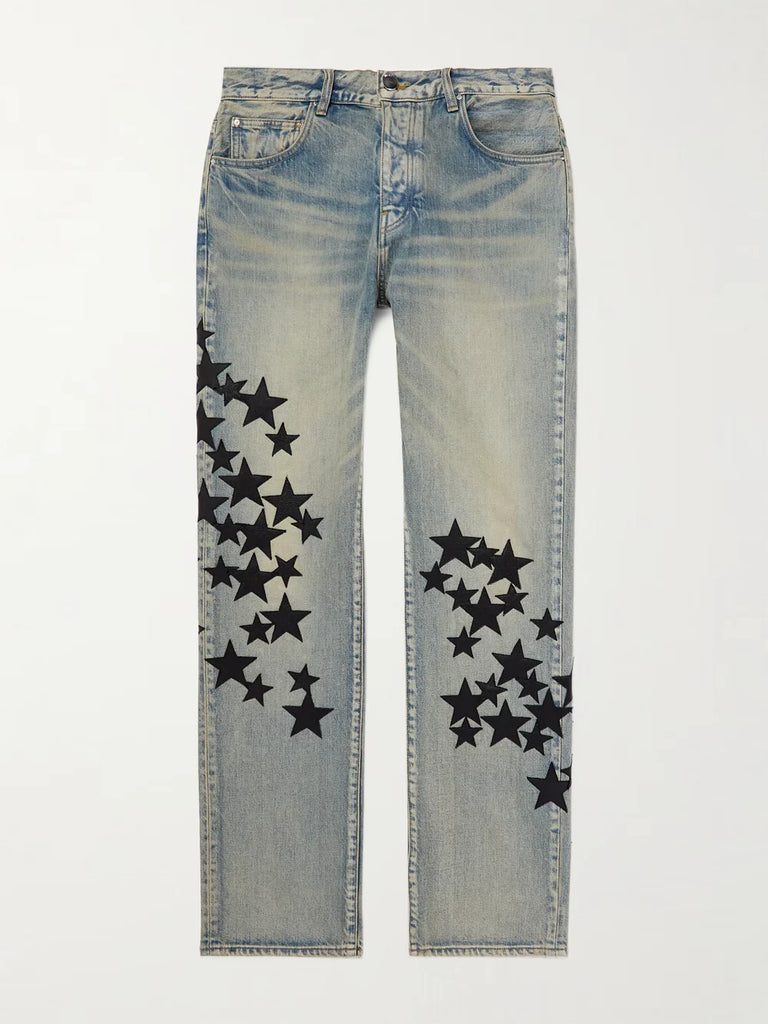
Buy Amiri Tracksuit Bone Applique Detail

AMIRI Prices in 2026: What You Actually Pay by Category

Every figure in this guide is an observed market price, read from listings during 2026, and none of it is an official price list. No public tariff is published by the brand, prices travel between seasons and regions, and currency conversion at multi-brand retailers shifts the numbers again. The numbers map where each category sits against the others, so confirm the current figure on the product page before you commit. Structurally the range sorts into three bands: an entry band built on jersey, a core band covering amiri jeans, hoodies and sneakers, and a top band of boots and worked outerwear. What you actually pay is shaped by two further things, a discount cycle much more aggressive than the brand’s positioning implies, and a secondary market sitting mostly below retail. Each is covered further down, as overlooking either one produces a badly wrong picture of what this label costs.

The entry band, tees, and the numbers nobody publishes

Jersey opens the range, and a T-shirt is the earliest purchase for most buyers. Observed listings at authorised multi-brand retailers put standard logo tees at roughly $425 to $460, which is the realistic floor for a main-line piece. Graphics with heavy work, oversized cuts and long-sleeve constructions sit well above that, the most elaborate observed listings running into the $900s. Anything advertised far below the low $400s for a current-season tee should raise a question rather than excitement. This guide has one gap worth naming outright, as entry price points for socks, caps, key chains and small leather goods were not documented in the sources checked. In the brand’s own accessories navigation those categories sit alongside bags, eyewear, scarves and gloves, but no reliable observed figures were captured for them, and inventing numbers to close the gap would be worse than leaving it open.

Inside the core band: amiri jeans

Denim is the centre of gravity here, and its pricing is the most predictable in the range. The Stack jean is the observed entry point into core denim at $750, a skinny cut with an amiris jeans intentional overdye and a long inseam. The signature MX1 is observed at $1,090, the highest-profile figure in the whole range, and the price reflects hand-distressing plus repair with pleated ovine leather. The women’s Baggy MX3, a motocross-inspired hybrid with a no-waistband construction, is observed at $990. Around those anchors, other cuts are listed by authorised retailers across roughly $700 to $1,100, while heavily worked pieces such as crystal-embellished and reconstructed denim sit above the standard band. The fact that both core styles are made in the United States is part of why the denim carries the pricing it does.

Inside the core band: the amiri hoodie

The second pillar of the core band is hoodies, where the spread inside the category runs wider than most buyers expect. A cotton hooded sweatshirt with a kangaroo pocket, the MA Core Logo Hoodie is observed at $650 and acts as the reference point for the category. Observed listings across the wider hoodie line at authorised retailers run to roughly $950, with the heaviest constructions above that. Applied work, not fabric, drives the difference, as patch-covered varsity zip styles and chenille or embroidered programmes involve far more labour than a printed logo piece. That also means an amiri hoodie at the bottom of the range and one at the top are genuinely different products rather than the same garment in different colours. Because the house-wide bones motif appears on several current hoodie programmes, those sit nearer the middle of the band than the floor.

The core band: amiri sneakers

Just below denim sits footwear, which overlaps heavily with the hoodie band. The Skel Top Low, the brand’s own house signature sneaker, is observed at $650 and anchors the whole category. Observed at $690 is the Skel Court Hi, a separate retro court silhouette on a canvas upper, and the MA-1 sneaker is observed at $799. That last name causes constant confusion, because MA-1 denotes a bomber jacket almost everywhere else in menswear while here it is a shoe. Observed listings across the whole footwear line run from roughly $420 for slip-ons up to about $800 at the top. It is also worth noting that pricing on the signature model has drifted upward over time, since resale records show it retailing at $590 at a release in August 2020, so any article still quoting that figure as current is out of date.

The top band: boots and worked outerwear

Everything that comes with heavy construction or hardware sits above the core band. The Ryder Boot is the clearest observed marker, listed between $1,090 and $1,290 depending on the material used for the upper. Outerwear climbs higher again, since observed listings for varsity and heavily worked jackets fall roughly between $1,800 and $2,300, with reconstructed denim outerwear inside the same territory. A founding pillar of the house rather than an afterthought, flannel shirting also reaches into the low four figures on the most worked pieces. The price gap against the core band is easiest to justify in the hand on these pieces, because leather sleeves, applied patches and studded or embellished panels all stand for real labour. They are likewise the pieces most likely to be discounted deeply later in a season, a point covered further down.

A glance at the observed prices

Individual figures cited above are gathered into a single view below for comparison. None of them is an official price, since each is an observed market price from 2026 listings, and each applies to one named style rather than to a whole category. Where this guide gives ranges, those describe categories, so do not read the two as the same kind of number. Note how tightly compressed the core band actually is, the signature hoodie and the signature sneaker landing on the same figure. Note also that the distance from the entry point of core denim to its most visible style is under $350, which is narrow for a luxury range. The steepest jumps come when you leave the core band for boots and outerwear, not within it.

Item Category Price observed
MA Core Logo Hoodie Hooded jersey $650
Skel Top Low Footwear $650
Skel Court Hi Footwear, court $690
Stack Jean Denim, core $750
MA-1 Sneaker Footwear $799
Women’s Baggy MX3 Women’s denim $990
MX1 Jean Core denim $1,090
Ryder Boot Boot $1,090 to $1,290 by material

Discounting here is structural rather than accidental

A guide implying this brand never goes on sale is describing some other label. At authorised multi-brand retailers, observed in-season markdowns of 40 to 70 per cent appear, and past-season stock runs through the off-price arms of established department store groups at deeper cuts again. This is legitimate merchandise moving through legitimate channels, and nothing about buying it is suspect. It also explains the secondary market, as a visible sale floor puts a ceiling on what buyers will pay elsewhere. Observed resale listings for standard core denim usually land well below the $1,090 figure attached to the MX1, while standard sneaker colourways rarely command sustained premiums. Treat these pieces as clothing bought to wear, since none of this is investment advice and the observed pattern points firmly away from resale as a strategy.

When the price itself is the warning sign

Price is among the more reliable authenticity signals, provided you know what a legitimate discount looks like. Real reductions live in the sale sections of named authorised retailers and their off-price arms, sit mostly in past-season stock, and never cover a whole catalogue at once. Through authorised channels, sitewide cuts of 50 to 80 per cent across every category including current season simply do not happen. It is settled that there is no brand outlet at all, because AMIRI stated in a federal court complaint filed in July 2021 that it “does not have an AMIRI outlet store, nor has it ever authorized any person or business to operate such a store.” So if you plan to buy amiri online, read outlet branding, self-declared official discount status and catalogue-wide markdowns as disqualifying rather than as a bargain. The safest route to fairly priced amiri clothing is still the brand’s own site, its boutiques, or a retailer named on its published stockist list.

Authentic NYC Shorts Official GS Godspeed Clothing

So What Does the Term Godspeed Convey? Decoding the Phrase Behind the Brand

This term surfaces on hoodies, tees, and jackets, but most people have never really dug into where it got its start. Godspeed is one of those phrases that feels weighty the moment you say it out loud. It carries a sense of departure, protection, and hope all at once, which is exactly why a clothing label would want to build an identity around it. Understanding the godspeed meaning gives context to why the word resonates far beyond its old-fashioned roots. In this piece, we dig into the history, the present-day usage, and how the phrase shows up in apparel that people genuinely want to wear in 2026.

Uncovering How Godspeed Really Originated

Godspeed has roots in Middle English, first recorded as “God speed you,” standing for “may God grant you success” or “may God prosper your journey.” By the 14th century the phrase was in widespread use, used as a farewell to travelers, soldiers, and sailors setting off into uncertain circumstances. Eventually, the three words merged into a single word, and the sense drifted toward safety and swift progress rather than general prosperity. By the 1800s, “godspeed” had become the standard way to send someone off before a risky or lengthy trip.

During the 1900s, the word found fresh cultural traction via its use in aviation and space exploration. NASA flight controller Gordon Cooper’s callsign moment during Mercury missions, and later the famous phrase spoken to John Glenn — “Godspeed, John Glenn” — cemented the word in American public memory. No longer just an old-timey farewell — https://godsped.net/ it evolved into shorthand for courage ahead of a launch, a mission, or any make-or-break moment. That rich history is one reason why the term feels more significant than a simple goodbye.

Just What Godspeed Is in a Contemporary Setting

So what is godspeed today, stripped of the historical footnotes? In current usage, it functions as an expression of encouragement mixed with a nod toward fate or divine favor. People use it before exams, competitions, moves, breakups, or any transition that feels like a jump into the unknown. It’s less about religion for most speakers now and more about acknowledging that effort alone doesn’t guarantee outcomes — sometimes you need the wind at your back too.

This tension between grit and grace is precisely why streetwear and apparel brands have gravitated toward the word. A godspeed shirt isn’t selling a religious message; it’s selling momentum. It’s a wearable reminder that the wearer is moving forward regardless of obstacles. That kind of meaning carries across skate culture, hip-hop influenced fashion, and everyday streetwear, which accounts for the word’s lasting appeal on hangtags and graphic prints heading into 2026.

Godspeed as a Brand Identity: What Makes It Effective for Clothing

If a fashion label’s name goes beyond mere identification, it thrives, because it should signal an attitude. Godspeed as a label name taps into notions of toughness, movement, and confidence without needing a lengthy explanation on every tag. Customers pick up on the emotional shorthand instantly, even if they’ve never delved into the word’s origins in Middle English. This immediate familiarity is useful in a market where focus is fleeting and market real estate, whether online or in-store, is contested.

A visual edge exists too. The word “godspeed” has a bold, balanced appearance in bold type, which allows it to reproduce cleanly across chest logos, sleeve text, and back-panel graphics. Design teams behind god speed clothing lines often pair the lettering with motion-based imagery: feathers, velocity marks, or highways vanishing into the distance. Such design decisions strengthen the “keep moving” idea the word already carries, forming a consistent aesthetic thread across hoodies, jackets, and t-shirts.

Translating the Meaning Into Design Choices

Teams designing around such a charged word have to be cautious not to water down it with too much clarification. Godspeed shirts that work best keep the type treatment stripped-back, letting the word carry its own weight rather than framing it with slogans. Palette decisions tend to lean toward high-contrast combinations — black on white, white on black, or muted earth tones — because the phrase itself already carries weight; the design doesn’t need to shout to be effective.

Fabric and cut decisions matter every bit as much as graphics. A godspeed pullover aimed at regular rotation needs a cut that works stacked under a coat during colder stretches and by itself during in-between seasons. The fleece’s heft, the hood’s build, and the rib-knit cuffs all influence how the garment holds up, not just how it appears. Companies that treat the word as a design philosophy — not just a stamp — tend to produce pieces that people keep pulling into rotation, which is the actual proof of whether a concept translates into garments with staying power.

Godspeed Across Different Product Categories

This term isn’t confined to a single garment type. It appears across outerwear, graphic shirts, add-ons, and knitwear, each category interpreting the meaning slightly differently based on function and audience. A heavyweight hoodie might use the word to evoke toughness in harsh weather, while a lightweight tee might use it to suggest a light, forward-moving feel. Below is a comparison of how the concept tends to shift across typical product lines in a god speed clothing lineup.

Product Category How It’s Worn Design Emphasis Seasonal Relevance
Godspeed Hoodie Regular rotation, layering, cozy protection against the cold Eye-catching front or back print, structured hood A key item for Fall/Winter
Godspeed Shirt (Tee) A layering base for everyday casual wear A understated graphic found on the sleeve or chest A essential piece during Spring/Summer
Godspeed Outerwear Protection during transitional and colder conditions Detailing via embroidery or patches Toward the colder stretch of the year
Godspeed Accessories Finishing touch, item that reinforces brand identity An subtly placed compact brand mark Wearable year-round

This collection is significant because it proves the term isn’t confined to one aesthetic. No matter which piece someone picks—a thick hoodie for winter mornings, or a basic t-shirt for a summer trip—the underlying message of forward motion and encouragement stays consistent. Thanks to this adaptability, the wording has held up as a foundational brand element instead of a passing trend.

Who Typically Wears Godspeed Apparel

The audience for this kind of clothing skews toward people who see fashion as a form of quiet motivation. Athletes wear it before competitions as a reminder to trust their training. Travelers wear it as a nod to the journeys they’re about to take, literal or otherwise. Students and young professionals wear it during periods of transition — graduations, new jobs, relocations — because the word validates the uncertainty they’re stepping into.

On top of that, there’s a marked convergence with streetwear collectors who gravitate toward brand names with etymological weight. Rather than being a throwaway word selected just for appearance, godspeed carries with it centuries of usage behind it, which draws in shoppers who hope for their fashion decisions to carry meaning past the obvious. That difference carries weight in a market overrun by generic slogans, and it’s partly why the word continues to perform well on both hoodies and tees year over year.

Godspeed’s Meaning in Modern Everyday Language

Outside of fashion, the phrase still gets used in talk and text, although with less formality than a hundred years back. Before a friend’s job interview, people type “godspeed” in texts, or they drop it in a group chat before a person’s flight. The phrase is concise, it feels kindly, and it doesn’t require extra clarification, making it well-suited within rapid-fire digital messaging. Instead of fading into archaic territory like some relics of Middle English, the word has held up well partly because of this effectiveness.

Across music, film titles, and band names alike, the phrase keeps turning up, which reinforces its bond to forward motion and parting. The shared sense of the word expands with each new use, favoring any brand shaped around it. Even without being able to pinpoint where they encountered the word before, a shopper spotting a godspeed shirt in 2026 carries years of cultural exposure to that initial look—it’s far from a cold first impression.

Wrapping Up: the Word Underneath the Label

Godspeed has lasted through about seven centuries of shifts in language, moving from a send-off used by travelers in medieval times to a phrase astronauts adopted as a rallying call to a logo-like text on today’s streetwear. That kind of longevity isn’t accidental — at its core, the phrase expresses a basic, shared wish for someone’s wellbeing as they step into uncertainty. Whether worked across a godspeed hoodie or printed cleanly on a tee, the word still performs the same function it has always done: it sends people forward with slightly more bravery than they had a moment before.

Ferragamo Handbag Overview Gancini Hardware

Etiquette at the Ferragamo Boutique: Tips to Keep Your Visit Seamless

Entering into a Ferragamo shop for your first visit can come across as a departure from scanning a mass-market rail. Here, the atmosphere is hushed, the associates are more attentive, and items — whether a Ferragamo bag or a pair of Vara pumps — are handled with visible attentiveness. Knowing the unwritten rules of luxury retail allows you come across as assured instead of ill at ease. Here, we outline what to expect, the best way to interact with sales associates, and how to maximize your visit — regardless of whether you’re shopping in person or browsing Salvatore Ferragamo bags online. None of this is about exclusion; it’s about tuning into the pace of the room so you can focus on what truly matters — finding a piece you’ll really use for years.

It’s frequent for shoppers to look up “ferregamo” — a common spelling error — though the house is properly called Salvatore Ferragamo, founded in Florence in 1927. That heritage still shapes how the shop floor operates today, from the pacing of a consultation to the way a Ferragamo bag is presented to you on a tray or cushion rather than tossed across a counter. Details that appear minor carry real weight.

Ahead of Your Visit: Prepare in Advance

A seamless visit begins before you cross the threshold. Spend fifteen or twenty minutes looking at a Ferragamo bags overview on the brand’s official channels so you have a working sense of current collections, silhouettes, and price tiers. Rather than learning SKU numbers, the aim is to walk in with a sense of direction, since a vague “I want a nice bag” mindset can slow things for you and the associate.

Ahead of time, determine your price range, www.feragamoshop.com and come ready to state it plainly if questioned. Sales staff at a Ferragamo shop are trained to guide you efficiently, but they can only do so if they know your parameters. Should you’re torn between the best Ferragamo bags in a particular category — say top-handle totes versus crossbody styles — jot down two or three names beforehand.

  • Look up store hours and whether an appointment is recommended, especially at flagship stores on weekends.
  • Bring a valid ID if you plan to use a store card, apply for one, or process a return.
  • Charge your phone — you may want to reference saved images of styles you liked online.
  • If you plan to try on footwear, wear comfortable shoes, since fit fittings can last twenty to thirty minutes.
  • Note any events, restocks, or seasonal launches happening in 2026 that might affect inventory that week.

Setting the Tone with Staff

Courtesy flows both ways within high-end retail. The moment you walk into a Ferragamo shop, a greeting from staff within the first thirty to sixty seconds is customary — return it warmly rather than dismissing it, even if you’re only looking around. A simple “I’m just looking today, thank you” clarifies things upfront and is entirely appropriate.

Should you want help, be specific. Saying “I’m interested in a Salvatore bag for everyday work use, structured, in a neutral color” gives the associate a stronger starting point than “show me your bags.” Specificity respects their time as well as your own. The majority of flagship locations employ two to four sales associates per floor section during peak hours, so a well-defined request helps you receive prompt assistance.

Avoid touching multiple items in rapid succession or pulling multiple bags off display simultaneously. There’s no firm policy here, but it indicates to associates that you’d find guided support useful rather than casual self-guided viewing, and they’ll usually come over more quickly. Patience during a fifteen-minute wait on a busy Saturday afternoon is to be expected; appointment slots exist precisely to cut down on waiting if you prefer a calmer pace.

How to Handle the Items

Ferragamo bags are constructed from materials like calfskin, saffiano leather, and suede, varying by collection, and each behaves distinctly under oils, moisture, and pressure. Be sure to check first before opening zippers fully, testing shoulder straps, or placing a bag on the floor. Staff are taught to demonstrate features themselves first, so permit them to take charge of that part of the interaction.

Clean hands matter more than people expect. If you’ve just eaten or applied hand cream, a quick trip to the restroom or using the sanitizing stations available in many boutiques is a courteous step before handling light-colored leather. A lone smudge on a pale saffiano tote isn’t catastrophic, but it’s something you can easily sidestep.

While sampling a crossbody or shoulder style, ask the associate to adjust the strap rather than yanking on hardware yourself. D-rings and buckles on a Ferragamo bag are precision-fitted, and pushing an adjustment too hard can weaken the stitching that’s meant to last decades with proper care.

How to Compare Options Without Lingering Too Long

It’s completely normal to ask to see three or four styles in one sitting is entirely reasonable — sessions generally allot around twenty to forty-five minutes for this kind of comparison. Beyond that, associates may kindly recommend narrowing your choices, not out of impatience but because pulling stock from the back requires time and other clients are commonly waiting their turn.

When you can’t decide between a pair of strong options for best Ferragamo bags in your budget bracket, put it straight to the staff member: “Which of the two wears better with daily use?” Team members who regularly manage repairs and returns have genuine knowledge about durability that typical ad copy won’t reveal.

The table below outlines a general scheme for weighing up bag types frequently brought up when clients ask about leading Ferragamo bags — use it as a talking point with sales associates rather than a conclusive judgment, given that specific latest pricing and availability should invariably be double-checked in-store or via the authorized Ferragamo shop.

Handbag Type Everyday Application Construction Materials Consultation Time
Rigid-frame top-handle Office, formal affairs Fine calf leather, saffiano 20–30 minutes
Crossbody / shoulder-carry Daily errands, trips Smooth leather, canvas-mix fabrics 15 to 20 minutes
Nighttime clutch Occasion wear Soft suede, sheeny satin textures 10–15 minutes
Carry-all / short-trip holdall Daily commuting, brief getaways Leather, toughened canvas fabric 20–25 minutes

Etiquette on Post-Purchase Care, Repairs, plus Returns

Every Ferragamo shop follows a formal returns policy, typically requiring original packaging, tags, and a receipt within a set window — ask the associate to state the exact number of days at the time of purchase, since policies can be adjusted seasonally. Keep your receipt in a dedicated folder rather than your wallet; creased or faded paper receipts can slow down processing.

When your Salvatore Ferragamo bag requires a repair, for instance a stitch that’s come undone or a hardware issue, bring it in rather than trying to repair it on your own. Several retail locations provide free evaluations and can inform you whether the item is eligible for repair on the premises or must be forwarded to a specialized workshop, timing that can range anywhere from two to six weeks according to the intricacy of the work involved.

Be transparent about the conditions the bag has endured. Because you give staff a clear description such as “I noticed this after six months of regular use” rather than an ambiguous statement, they can evaluate warranty eligibility correctly and your repair request gets processed at a noticeably quicker pace.

Shopping Online vs. In-Store: Etiquette Still Applies

Even when purchasing Salvatore Ferragamo online bag collections, considerate behavior persists in different forms. Reading full product descriptions, verifying dimensions in centimeters or inches, and reviewing material notes before ordering minimizes excess returns, which place a burden on the company and the planet alike in transport and repackaging costs.

Should you intend to place an online order for in-store pickup, phone in advance to verify the item has arrived and is ready, rather than assuming an instant handoff. In most cases, twenty-four to forty-eight hours are required for online-to-in-store transfers to be fully completed in 2026’s modernized shipping-and-handling systems.

If you’re getting in touch with the support team via chat or email, include your order number in the first message. It sounds minor, but it can cut resolution time in half compared to back-and-forth clarification emails.

Concluding Reflections on Building a Considerate Shopping Routine

Proper manners at a Ferragamo shop doesn’t hinge on strict decorum — what matters is mutual respect between you and the staff assisting you reach a well-considered buying decision. Treat the merchandise, the staff’s time, and the process with the same care you’d want extended to you, and each visit grows easier as a result.

Across multiple visits, plenty of regulars form a rapport with a particular sales associate who remembers their likes, fit, and prior purchases. That kind of continuity, common in luxury retail, often leads to better guidance as you next sort through the standout Salvatore Ferragamo bags for a fresh occasion or seasonal need.

First-time guest or longtime client alike updating your collection in 2026, small amounts of forethought and politeness go far toward making each trip to Ferragamo feel less like a transaction and closer to an enjoyable, deliberate part of curating a lasting wardrobe.

Tory Burch Essential Style Patent Miller Finish

Tory Burch Prices in 2026: What You Pay at Each Tier

Rather than one flat average, the pricing here reads as a ladder with three rungs. One band opens under $100, a second carries most of the catalogue, and a third tops out well below European leather-goods pricing. Which rung a category lands on explains more than any one figure. This guide walks each band, names real products at observed figures, then breaks the ladder down by category. Every figure was read on the brand’s own US site in September 2026. What you see are observed market prices, never an official price list; fixed pricing is not published, and every figure drifts by season, market, material and channel.

How to read these figures

Three cautions matter before any number is useful. An observed price is not a promise about next season, because colourways within one name can carry different prices. A product name often spans a range rather than a point: printed, patent and suede versions of one sandal were all observed at the same figure. Boundaries are soft as well: some styles sit between bands at around $225, so read the edges as descriptive. These are not discount benchmarks, as promotional pricing is a different and seasonal thing. The ladder reliably shows the shape of the range, and that shape barely moves.

Entry band: about $95 to $200

This is where the brand recruits, and it is deeper than most people expect. The floor belongs to small leather goods, with a Romy flat card case seen near $95. Swim separates sit in this band as well, with a bikini bottom around $95, a top near $110 tory burch accessories and terry logo separates near $140. Footwear starts in moulded rubber: a mini Miller jelly near $125, a Miller Cloud Light about $150. Higher up sit wallets and belt bags, such as a T Monogram coated jacquard envelope small wallet observed near $190. What the ceiling says is the real point: at around $200 the leather Miller sandal puts the label’s best-known object on the bottom rung of its leather ladder.

Core band: about $250 to $600

This band captures almost everything most buyers genuinely consider. For shoes the band takes in sneakers around $250, the bulk of sandals between roughly $250 and $400, loafers near $325, and ankle boots about $475 to $500. It holds the relaunched Reva family, with punk travel ballet styles between roughly $275 and $325 — a step up from the $195 the original carried before the 2017 pause. On the bag side the band opens with an Ella twist reversible tote near $260 and finishes with a Fleming crossbody around $470. In tory burch clothing the band extends across denim at roughly $350 to $395 and a printed viscose jersey dress about $550. Both a turnlock riding boot and a Miller crystal kitten heel sit at the upper edge at around $600.

Top band observed: about $695 to $995

Most shoppers overestimate this ceiling, and where it actually sits is the defining fact about the label’s position. Tall boots start the band: a Charlie tall boot around $695, a multi buckle boot near $750. At the top of the bag range sit the Lee Radziwill styles, a small double bag and a bucket bag both near $795. A Fleming carryall near $695 and an Eleanor suede satchel about $750 sit just below. What remains is outerwear, including a corduroy blazer and a denim shirt jacket priced around $750 each. In the September 2026 reading the highest figure was a double breasted wool coat near $995, with nothing reaching a five-figure tier.

The three bands side by side

Put together, the three bands show a range at its broadest in the middle and cut short at the top. The entry band exists to make the label reachable, and it is dominated by small goods, swim and moulded footwear. Most of the bag catalogue joins the leather, knitwear and denim inside the core band; above it the top band remains thin, holding outerwear, tall boots and one bag family. Everything in the table below is an observed market price read in September 2026. The middle row is the default case, and the outer rows are the exceptions.

Band Range observed What the band holds Named examples with observed figures
Entry Around $95 to $200 Card cases, cosmetic cases, hair clips, jelly sandals, swim separates, cotton tanks Romy Flat Card Case at around $95; Miller Jelly at around $150; Miller Sandal at around $200
Middle rung About $250 to $600 Loafers, sneakers, ankle boots, most sandals, most leather bags, denim, knitwear Perry Tote near $395; Fleming Crossbody near $470; Printed Viscose Jersey Dress near $550
Observed top rung Around $695 to $995 Tailored outerwear, tall boots, occasion pieces, the Lee Radziwill bags Charlie Tall Boot near $695; Small Lee Radziwill Double Bag near $795; Double Breasted Wool Coat near $995

Taking the categories one by one

Whole-range description is what the bands do; each category, though, claims a different slice. The widest category is footwear, which alone reaches across all three bands in a single season. Bags start higher and finish lower than footwear, because there is no exotic-skin tier to stretch into. Ready-to-wear does the opposite, coming in near the top of the entry band and living mostly above $400. Swim, sport and fragrance each cluster tightly rather than spreading. The three sections below take the categories in that order.

Small leather goods and shoes

Tory burch shoes are the clearest expression of the ladder, because one silhouette appears at several rungs. One family, Miller, covered about $125 for a mini jelly through to around $200 for the leather sandal. From there it steps up to roughly $250 for Capri versions, about $300 for knotted styles and near $600 for a crystal kitten heel. Between $250 and $375 sit sandals and espadrilles, while sneakers run $250 to $300 and loafers about $325 to $375. The steepest stretch belongs to boots: around $395 for a Romy Chelsea boot up to about $625 for a money clip boot. Small leather goods run in parallel, from near $95 for a card case to about $310 for a mini belt bag.

Bags in detail

Bags open around $260 in nylon and climb to about $795 at the top of the leather range. Between roughly $260 and $295 the nylon Ella styles anchor the floor. After them come the suede and croc-embossed Romy styles, from about $295 to $595. The middle is quilted leather, where Perry totes sit near $395, small Charlie shoulder bags about $450 and a Fleming crossbody around $470. East-west satchels near $595 and an Eleanor suede satchel around $750 sit above that. The Lee Radziwill family crowns the category near $795, and nothing sits above it in the observed range.

Clothing and the smaller categories

Ready-to-wear starts around $150 for cotton tanks before jumping to about $330 for a racerback tank and $350 to $395 for denim. Knitwear runs from roughly $420 for a merino turtleneck to about $550 for a T Monogram jacquard cardigan. Around $440 to $795 covers the skirts; dresses sit between about $550 and $795. The most affordable category is swim: near $95 for a bikini bottom, about $250 for a balconette swimsuit. Tory Sport, a section of the brand’s own site rather than a separate label, runs from about $95 to around $440. Fragrance sits at the bottom, with travel sprays at roughly $35 to $40 and full bottles between about $108 and $250.

Markdowns, outlets and the tory burch sale question

Recurring markdowns are real, but the way they are described online often is not. A recurring Semi-Annual Sale is run by the brand, and coverage of a July 2026 event described sandals under $100 with reductions up to around half off. You will see 50 to 70 per cent quoted, and the upper end of that range is marketing language, not a guarantee. A separate Private Sale is reported to be account gated on a cadence nobody has confirmed, so look for discounting around early summer and year-end. The physical outlets are real, located mostly in premium outlet centres, but no online outlet exists and the brand states plainly that it operates none. Expansion is the story at Nordstrom Rack and the TJX chains, which carry the label and are growing in 2026, while the Saks OFF 5TH online store shut down entirely following Saks Global’s early-2026 bankruptcy.

Reading the brand’s position off the ladder

A range that stops near $995 is saying something deliberate about where it sits. The label is American accessible luxury: founded in February 2004, headquartered in New York, and still independently held. Around 400 of its own stores, a number the boilerplate has carried for several years, sit alongside 3,000-plus department and specialty doors. Unless it is stated plainly, a comparison with European leather-goods houses is not useful, as those houses run tiers this label lacks. No financials are published, which makes any revenue total an estimate, and the much-quoted $3.3 billion figure belongs to a December 2012 transaction rather than to a current valuation. On governance the record is clear: the founder is Executive Chairman and Chief Creative Officer, not the chief executive, while Pierre-Yves Roussel has been CEO since 2019.

Shop EE Mesh Shorts Now Eric Emanuel Sale

Eric Emanuel Bottoms: Fit, Prices, Drops, and Where to Buy—The Quick Take

Eric Emanuel pants run true to size featuring a relaxed top block with a tapered, gathered hem; the elastic waistband and drawcord make sizing forgiving. Retail prices usually land in the mid-to-high $100s, with collaborations pushing higher, and most pants release in limited drops that move quickly. The most reliable place to get them is the official during drop time, then trusted secondary marketplaces if you missed the drop.

The brand builds pants that blend 1990s sports nostalgia with luxury craftsmanship: heavyweight fleece sweatpants, poly/nylon track pants, and occasional tearaway or collaborative editions. Expect premium stitching, reinforced seams, clean embroidery, and minimal but recognizable branding. The cut remains contemporary streetwear: roomy through the thigh, a clean taper, and elastic cuffs that land just above your sneakers. Because drops are scarce plus timed, planning your size and buying channel in advance is what separates a secure purchase from a sold-out screen.

How do Eric Emanuel pants fit and what sizing do you pick?

Go true to size for the intended relaxed-but-clean look; size higher if you want extra drape and stacking, or down for a higher ankle and slimmer fit. The elastic waist and drawstring cover small size differences, whereas elastic cuffs keep the hem from dragging even if you size up.

EE sweatpants utilize heavyweight fleece that holds structure but breaks in after a few wears, which indicates the thigh will feel roomier during day one and mold comfortably over time. Track bottoms run lighter with more flow, so the leg hangs straighter plus stacks a bit more onto the shoe, while the taper still keeps the profile Eric Emanuel Shirts (official site) defined. If you’re in-between sizes, make your choice on how you want the hem to sit: sizing up increases stacking and a looser top block; sizing down raises the hem and reduces billow without making the leg skinny. For broader builds, true to size typically prevents tightness at the hip due to the elastic waist; for slimmer builds, true to size prevents an overly skinny ankle because the cuff gathers automatically. Fleece can experience slight shrinkage after the first wash if heat-dried; wash cold and air-dry or tumble low to preserve your true fit.

Price Guide: Retail vs Resale for EE Sweatpants and Track Bottoms

Core fleece plus track pants typically retail in the mid-$100s to low-$200s depending on fabric and detailing, whereas collaborations and premium materials command premiums. Resale ranges from near-retail to multiples of retail based on colorway, collab partner, plus drop scarcity.

Bottom Type Fabric Average Retail (USD) Typical Resale Multiple Notes on Availability
Core Joggers Heavyweight French terry fleece $160–$200 1.0x–1.3x Frequently released in seasonal colors; fast sell-through on staple tones
Track Pants Poly/nylon with mesh or satin details $170–$220 1.0x–1.5x Sport-inspired colorways; reflective piping or trims can raise demand
Snap/Zip Track Pants Snap or zip leg constructions $180–$240 1.1x–1.7x Less frequent; novelty hardware increases interest
Collaborations & Limited Capsules Varies, premium finishes $200–$350+ 1.3x–3.0x+ Partner brand and team-inspired colorways create price bumps

The biggest price swings come from scarcity plus story: metro or team team blocking, archive logos, and partner-branded elements elevate both retail and resale. Neutral colors like black, heather grey, and navy tend to hold value because they’re wearable daily, while statement neons or special trims can spike if they’re one-and-done. If you’re watching budget, target non-collab regular drops; if you’re chasing a specific collab, prepare for a premium on the secondary market quickly after release.

Release Rhythm plus How to Cop Pre- Sellout

Most releases are timed drops announced shortly beforehand, often landing on Fridays at noon Eastern on the official site, with occasional pop-ups or boutique partners. Pairs can move in minutes, so preparation—accounts, payment methods, and sizing decisions ready—is the difference between checkout and “sold out.”

Follow Eric Emanuel’s official channels for drop dates and line sheets; announcements typically surface via social posts, email, and SMS. Being signed in early, using a saved payment method like Apple Pay or Shop Pay, and refreshing product pages at drop time reduces friction at the cart. Sizes that sit in the universal sweet spot tend to vanish first, but restocks happen unpredictably, so keep the page open for a few minutes after sellout. If you miss, reputable marketplaces list new pairs fast; weigh platform fees and shipping time against urgency and your size availability. For in-person activations, expect queue systems and wristbands; bring photo ID and be ready with a secondary size since floor inventory can differ from the online matrix.

Where to Purchase Eric Emanuel Pants Now

Start with the official website during scheduled drops for the most direct primary buy, then check chosen boutiques featured in announcements, and finally move to reputable resale platforms for immediate availability. Verification and clear return policies matter more than a small cost difference while buying outside primary sources.

The official site is the source of truth for new colorways, core restocks, and collaborations, with size runs posted at launch and accurate item specs. Authorized boutiques sometimes receive stock for seasonal collections or special projects; these partners are typically publicized by the brand ahead of release. For after-market options, platforms with verification and purchase protection—such as StockX, GOAT, Grailed with seller verification, or eBay with authenticity checks—offer the widest size and color selection within hours of a release. When you’re price-sensitive, wait a few days to let initial hype settle; less-hyped palettes can drop closer to MSRP, while coveted pairs usually rise. Verify tags, stitching quality, logo placement, and fabric hand-feel when purchasing pre-owned or from peer-to-peer sellers; EE’s construction is uniform and clean, so irregularities are red flags.

Fabric, Care, and Seasonality That Affect Fit and Price

Fabric weight plus seasonality change both drape plus cost: heavyweight fleece drapes stiff and warm, while track fabrics drape lighter and breathe better, with trims raising complexity and price. Limited seasonal palettes and co-branded graphics add collectibility that pushes demand.

Care routines can shift the fit over time. Fleece prefers cold wash, inside-out, low or air dry to preserve shape and prevent unnecessary tightening; heat accelerates pilling and can shorten the effective inseam by nudging the cuff elastic. Track pants handle machine wash cold well and usually keep length and dye brightness when you skip strong soaps and high heat. Because the narrow and cuffs are integral to the silhouette, preserving the waistband elasticity and cuff recovery keeps the intended look intact months into wear. Seasonal collections drop alongside climate shifts—fleece-heavy ranges in cooler months and lighter track builds as temps climb—which quietly cues which fabrics will be in circulation and what secondary pricing might behave. If you plan to rotate pairs across seasons, treat fleece as your cold-weather staple plus track as the spring-summer workhorse; this approach mirrors how the brand sequences its releases and helps you rank which drops to chase at retail versus wait for on resale.

EE Apparel Overview Guide Direct From Brand

This ee Sweatpants Guide: What Our Manual Provides

This guide delivers you straight answers on eric emanuel joggers: the way they fit, when they launch, how to look after them, and exactly where to cop legitimately. If you want the luxury 1990s sportswear feel without guessing on sizing or getting fooled by counterfeits, study this like your checklist.

eric emanuel constructs sweats that sit at the crossroads of luxury craft and retro athletic gear. Anticipate a tapered leg that sits properly over kicks, an stretch waistband with cord for simple tuning, and minimalist branding that signals luxury without shouting. The label’s identity is striking hue palettes, sports vibes, and heavyweight materials with sharp finishing—sewn to survive trend cycles. As launches are restricted and refills are unpredictable, dialing in your dimensions and purchase strategy prior to drop is what divides a smooth cop from a miss. The segments following cover the precise fit thinking, launch timing, maintenance guidelines that preserve hue and form, plus the most secure purchasing avenues, including how to sanity-check authenticity before you commit.

What sets eric emanuel joggers unique?

They fuse premium build with 1990s-inspired sportswear aesthetics, resulting in sweatpants that feel luxurious, look athletic, and wear easily. The value is in textile substance, seam precision, and subtle marks that still signals unmistakably ee.

Unlike generic terry sweats, ee bottoms lean into a gently easy thigh area with a taper toward the hem, so they drape clean without ballooning. You’ll notice thick cotton fleece or equally weighty fabrics, strengthened stitching, and consistent finishing that maintains form and color over time. Marks remain understated—usually a tiny logo or patch—so you get flexibility for routine fits and simple matching with bold kicks or vibrant ee tees. Shade selections extend from earthy basics to team-inspired brights and neons, a reference to classic kits that keeps fits lively. www.eeshortsstore.com/clothing/hat/ That balance—premium texture, athletic cuts, and understated cues—explains why they warrant a premium tag and still move fast on drop.

Fit and Fit Essentials

Stick true to size for the designed easy-tapered cut, go up one for a baggier casual fit, and only drop down if you sit between sizes and prefer a tighter leg. ee sweatpants are tailored to be comfortable at the waist with structure down the leg, never skinny.

The waistband is elasticated with a cord, which makes the key factor is not about whether they’ll hold up and more about how you need them to fall from leg to cuff. True to size preserves the upper volume while keeping the taper, giving a neat pile over low-tops and mids. Adding one boosts room in the seat and thigh and eases the taper, which looks easy without appearing messy because of the cuff. Dropping one cuts leg volume and can shorten the rise, and some wearers like for a crisper silhouette, though it can limit range of movement for muscular frames. If you train or have thicker legs and glutes, assume standard size or plus one for freedom during motion.

How will eric emanuel sweatpants fit in real life?

They fit true to size with a relaxed waist and a controlled taper, stacking neatly at the cuff. The rise is easy for routine fits, and the cuff holds length clean across different heights.

On-body, you get an relaxed top leg that won’t cling, then a narrowing that prevents puddling and lets sneakers show. The cuff makes inseam less critical than jeans; tall wearers still get a decent stack, and shorter wearers dodge too much break. The textile heft adds drape, so the sweats hang straight rather than bubbling at the knee. If you’re used to sports sweats from big sportswear brands, expect a denser handfeel and a more intentional silhouette. If you favor super wide fits, you must to size up and live with a wider cuff look, but most fans find that standard size nails the designed urban-cut line.

Size Chart and Size Conversion

Measure your go-to joggers flat and match the band and rise to the ee size you normally choose in casual pants. Prioritize waist fit and rise; hemmed pants are forgiving on inseam.

Spread your sample sweats flat and measure band (pulled and relaxed), front rise, leg one inch below crotch, and outseam. Match the relaxed waist to your normal marked size instead of the stretched number, since the cord can fine-tune. If you’re between two sizes in like-minded lines with a relaxed-tapered leg, choose the bigger size if you prefer more thigh room. For buyers translating from digit pant waists to alpha sizes, match your true measurement to your typical urban size not your vanity denim tag. Note that material weight affects fit; heavier fleece feels slightly snugger at first and loosens slightly after a couple sessions, not many inches but sufficient to feel custom.

Latest Drops: Schedule, Colorways, and When They Sell Out

eric emanuel drops seasonal collections and ongoing limited releases, often hinted at on social channels and newsletters. Staple shades reappear sometimes, but unique colorways and collaborations move fast and seldom refill.

Anticipate a rotation of staple tones, loud brights, and sports-inspired palettes that mirror the brand’s 1990s sports heritage. Collaboration pairs—whether with squads, artists, or boutiques—push exclusive tones or graphics and consistently sell out in moments. The label announces upcoming releases through Instagram posts and stories, newsletter alerts, and site headers; the most reliable steps are to follow those sources and be ready online with payment pre-saved before the drop window. Common sizes in trend-driven hues usually disappear first, followed by extended sizes, which means fast checkout beats cart delays. When replenishments drop, they’re limited; treat them as options, not guarantees.

Maintenance, Laundering, and Longevity

Launder cold, inside out, on delicate; skip bleach and conditioners; hang or machine low to preserve hue, form, and print. Hot temps shrinks cotton fleece and can bend hems and band stretch.

Reverse pants wrong side to limit wear on the face fabric and preserve any stitching or flocking. Cool water cuts pigment bleed on brighter colorways, and soft cycle cuts bobbling and construction tension. Drop fabric conditioners because they layer threads, fading hue and holding smells across time; a gentle soap is enough. Drying is where most damage develops: air or flat-dry to preserve the factory taper and cuff recovery, or tumble low and extract fast to skip fixing creases. For the first two washes on deep colors, wash alone or with dye-sheets; intense pigments can migrate when unworn, particularly in hot water.

Material/Construction Feel & Drape Seasonality Shrink Risk Maintenance Focus
Heavyweight cotton fleece Substantial, cozy inside; firm drape that relaxes slightly with wear October to early spring Moderate if dried hot Cool wash, low/no heat dry to keep fit and cuff recovery
Cotton French terry Loopback, breathable; lighter drape with sharp lines All seasons Minimal to moderate Cold wash; limit dryer time to keep loops intact
Poly or poly track builds Sleek, sharp; extra rustle, less stretch Spring/summer and training Low Cool wash; hang dry to prevent heat glazing

If you must trim rubbed zones after months of wear, use a fabric shaver gently and limit hitting seams. For storing, crease not hang to avoid stretching at the legs and band, and keep away from harsh sun that can bleach vivid dyes. Dab marks immediately after marks so pigments or oils don’t set; dab, don’t rub. Treated with this cadence, ee sweatpants keep their hue punch, fabric feel, and taper much longer than bargain fleece.

How to Purchase: Direct, Online, and Resale

First purchases occur on the brand online store and at brand-run events or drops; certain partnerships show through partner boutiques. Aftermarket sites offer past releases, with costs mirroring shade, dimensions, and hype.

The safest path for latest launches is the official channel stated before each drop. When partnerships launch, official shops are named in label updates; buy through those listings to preserve return and exchange policies. For past drops or depleted hues, vetted secondary platforms and trusted peer sellers give the broadest range; verify seller ratings, request detailed photos, and examine refund policies. Pricing on the resale side jumps for sought-after palettes and rare drops, remains near retail level for basic or common batches, and fluctuates by size scarcity. If a price seems too generous for a hyped hue in a popular dimension, flag it as a alert signal and jump to legitimacy review.

Catching Replicas and Confirming Legitimacy

Confirm via fabric weight, construction quality, label quality, and graphic or embroidery precision; match item shots with released visuals from the drop. If the textile appears weak, marks is off-scale, or care labels look generic, walk away.

Start with the texture: ee sweatpants should feel solid, with even interior feel and clean ribbing at ankles and waistband. Inspect the branding detail under bright light; lines should be clean with no bleeding, misalignment, or loose threads. Review internal labels for sharp text, accurate layout, and steady textile content data; replicas typically use generic tags or varying wash symbols. Get detailed images of construction and liner sections; the stitching should be uniform and secure, without stray bar-tacks in wrong spots. Last, match hues against official announcements—counterfeits frequently riff on popular shades that didn’t officially dropped in that precise hue or fabric.

Outfit Guide and Cost Analysis

Neutral ee sweatpants base routine outfits; bold or athletic-themed sweats serve as the statement with minimal shirts and standout kicks. The cut is flexible—style them up with tailored layers or hold it sporty with matching shirts.

For a clean look, match black, heather grey, or cream with matching sweats and white or natural-sole kicks; the slim ankle keeps everything sharp. If you choose bold—fluorescent, deep basics, or partnership graphics—balance with solid tees, throwback team caps, or neutral jackets so the hue leads the look. The sweats also team well with elevated kicks, vintage court profiles, and chunky skate kicks; each reads differently but the taper showcases all three. On price-per-use, dense fabrics and timeless shapes extend worth well beyond one year, while limited collabs can hold or gain on the resale side if kept clean. If you’re assembling a small rotation, start with one neutral and one loud option; that duo spans weekday function and Saturday style without overlap.